Nano Banana Pro: reasoning-powered visuals and accurate text
Nano Banana Pro is Google's state-of-the-art image generation and editing model built on Gemini 3 Pro Image. It plans composition, lighting, and spatial relationships before rendering—so typography, campaigns, and consistent characters need fewer iterations. Below: feature examples, copy-paste showcase prompts with matching samples, how Pro compares to Nano Banana 2.1, and running the same briefs in UltraPix on Android.
What Nano Banana Pro does
Unlike pure diffusion models that paint from noise alone, Nano Banana Pro reasons about layout first. That shows up as cleaner proportions, more legible text, and fewer “almost right” iterations on complex scenes.
It supports text-to-image and conversational editing: describe a change in plain language instead of drawing masks manually for many tasks.
Reasoning-powered visuals, unmatched fidelity
Nano Banana Pro plans composition, lighting, spatial relationships, and element placement before rendering a single pixel—coherent structure, accurate proportions, and visual logic that pure prompt-to-pixel models struggle with.
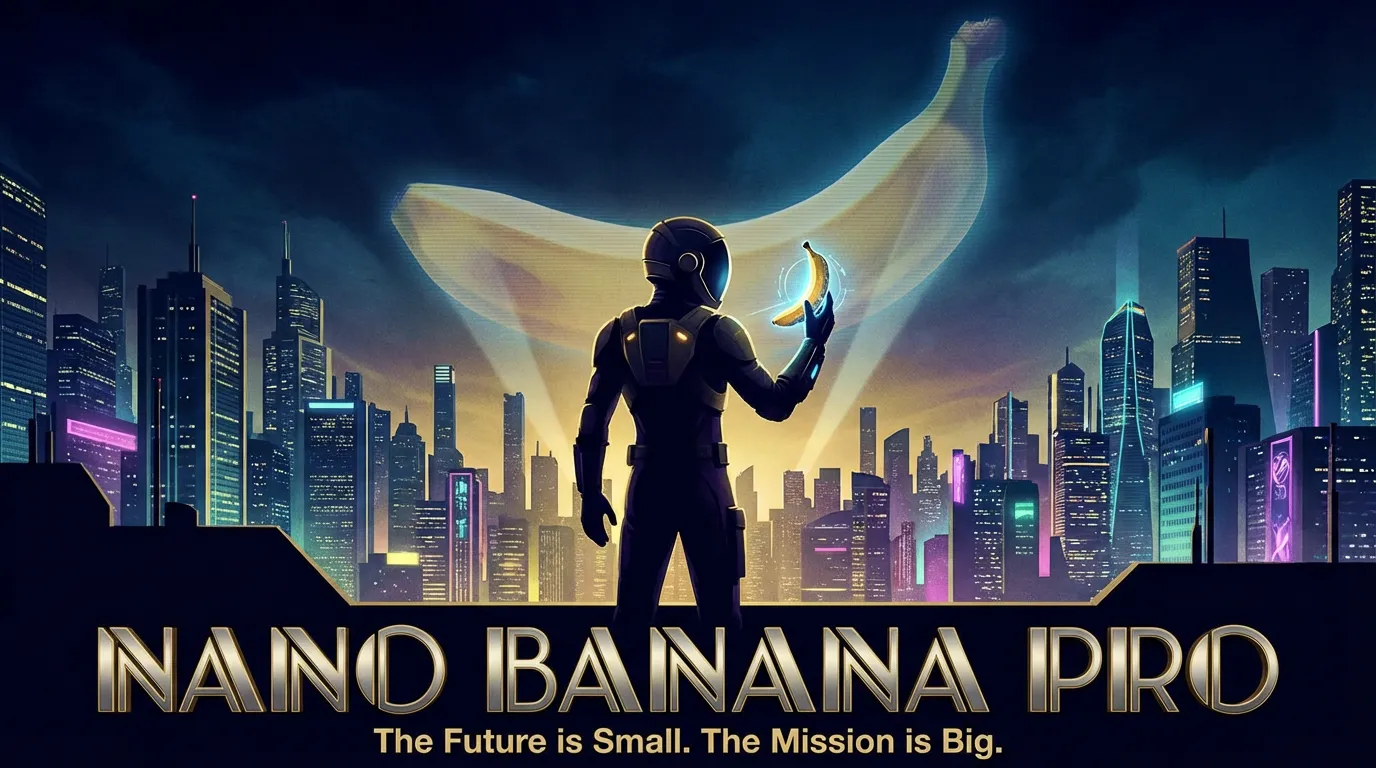
Standout strengths
- Text rendering. signage, packaging, posters, and UI mockups with spelled-out words in quotes.
- Character consistency. up to five people tracked across a series (campaigns, storyboards).
- Resolution. native 1K, 2K, and 4K outputs.
- Reference-heavy edits. multiple images for style or element blending on supported hosts.
Prompt with an art-director brief: subject, action, setting, style, camera, light, quoted text, and constraints. See the full Nano Banana Pro prompting guide.
Thinks Before It Creates
Reasoning-first generation evaluates layout and spatial relationships before paint—fewer iterations to reach the image you actually want.
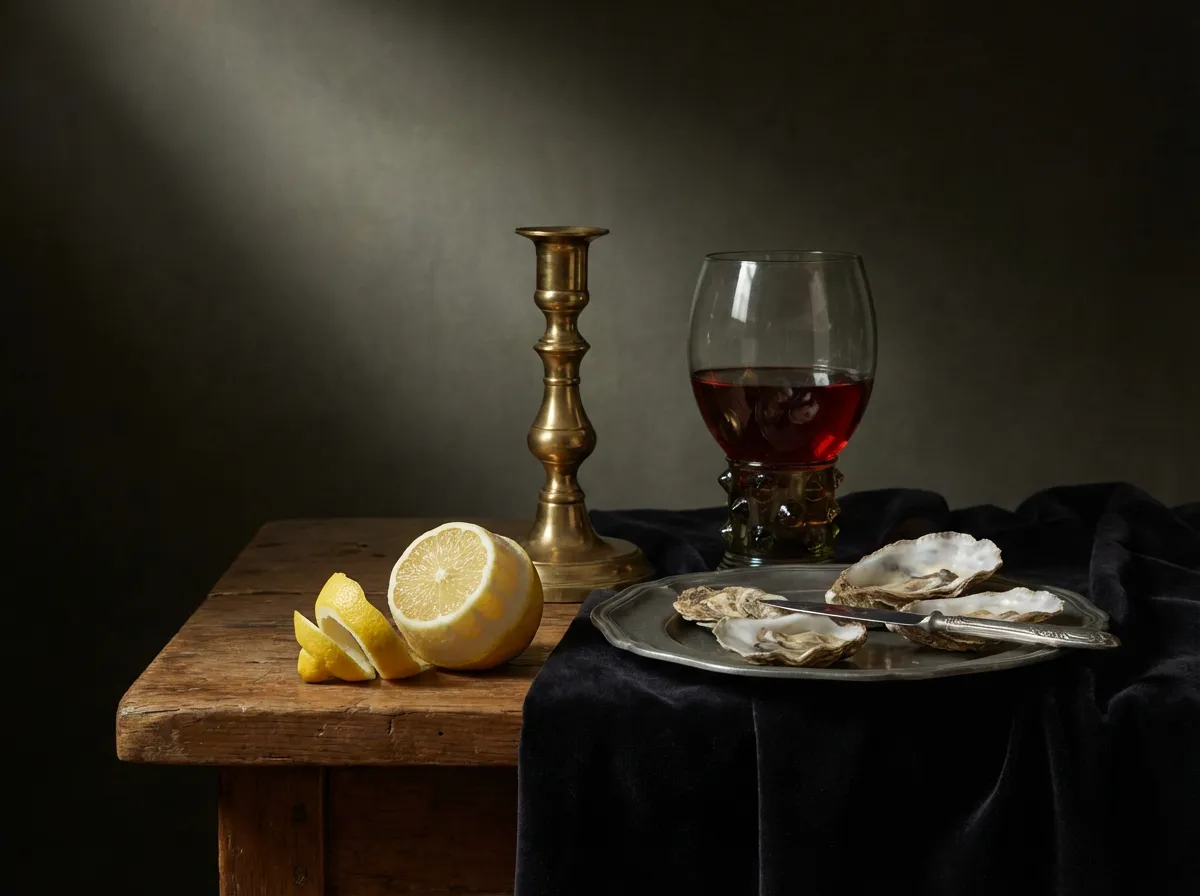
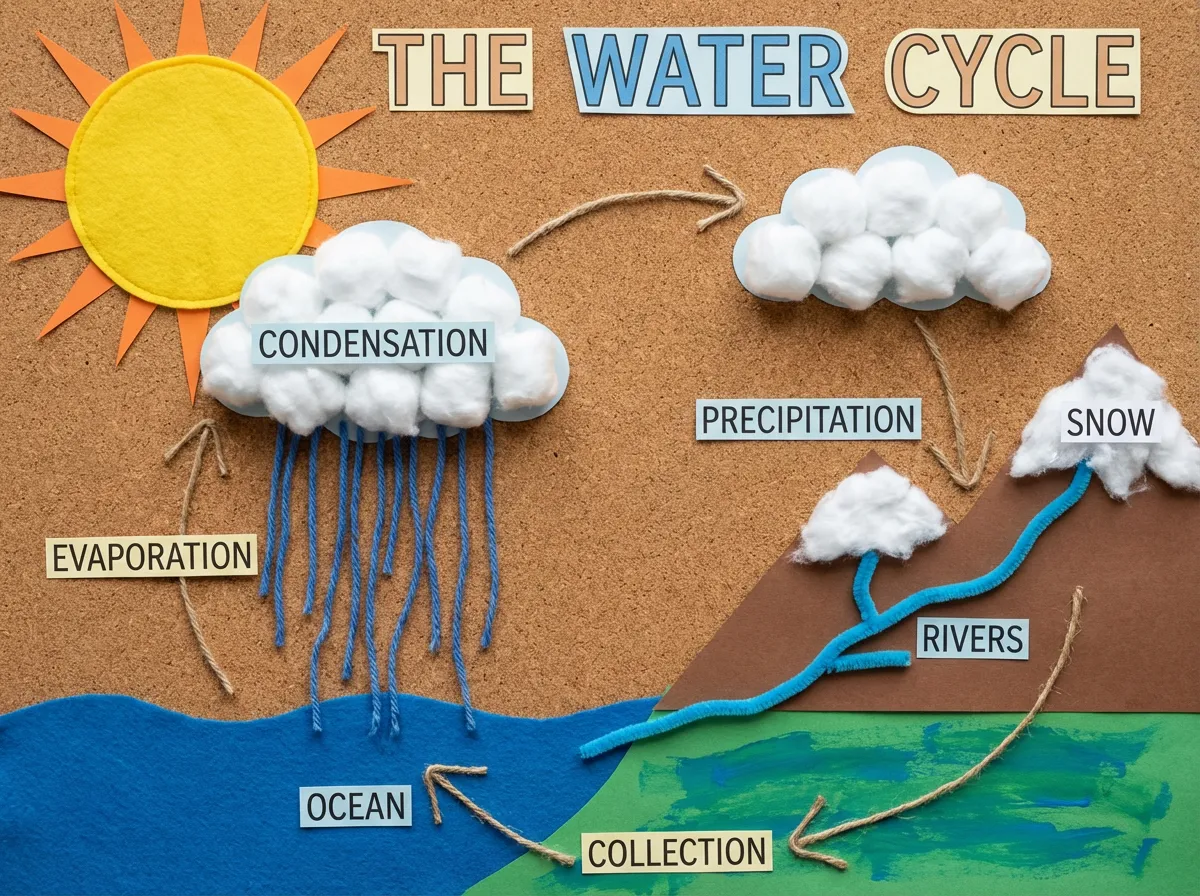
Typography That Actually Works
Legible, correctly spelled text in generated images across languages—signage, labels, watermarks, and typographic layouts without post-processing overlays.
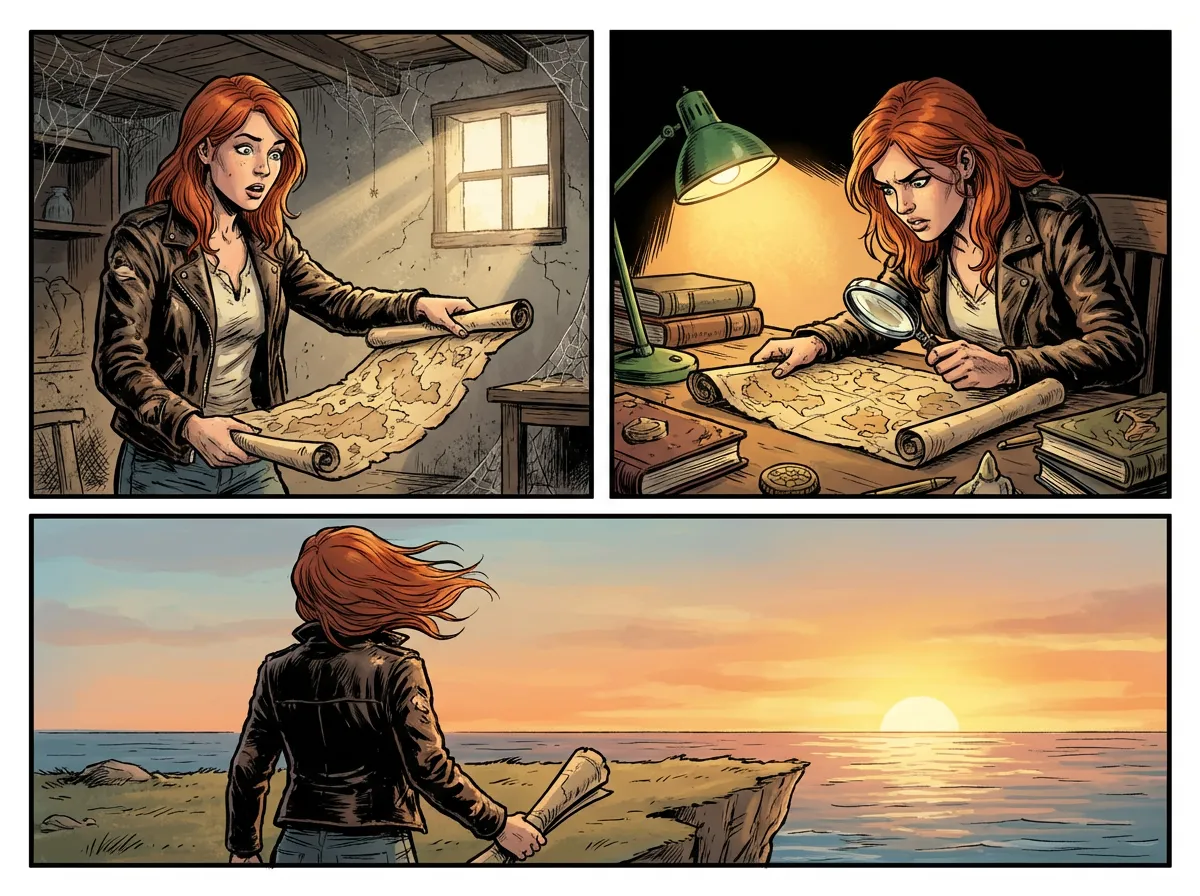
Same Characters, Every Frame
Maintain consistent character identity across generations—facial features, clothing, and stylistic details for storyboards and campaigns (up to five people in one scene on supported hosts).
Ready to try it?
Get it on Android and start creating in seconds.

See what Nano Banana Pro can create
Copy any prompt below and try it in text-to-image—each sample matches the prompt used to generate the still. Infographics, travel posters, fashion editorials, and food flat lays stress-test type, layout, and photoreal texture.
Campaign series where the same character appears in three environments still need quoted wardrobe and hair locks. Poster and packaging mockups should put exact strings in quotation marks with a named type style (serif, condensed sans, all caps).
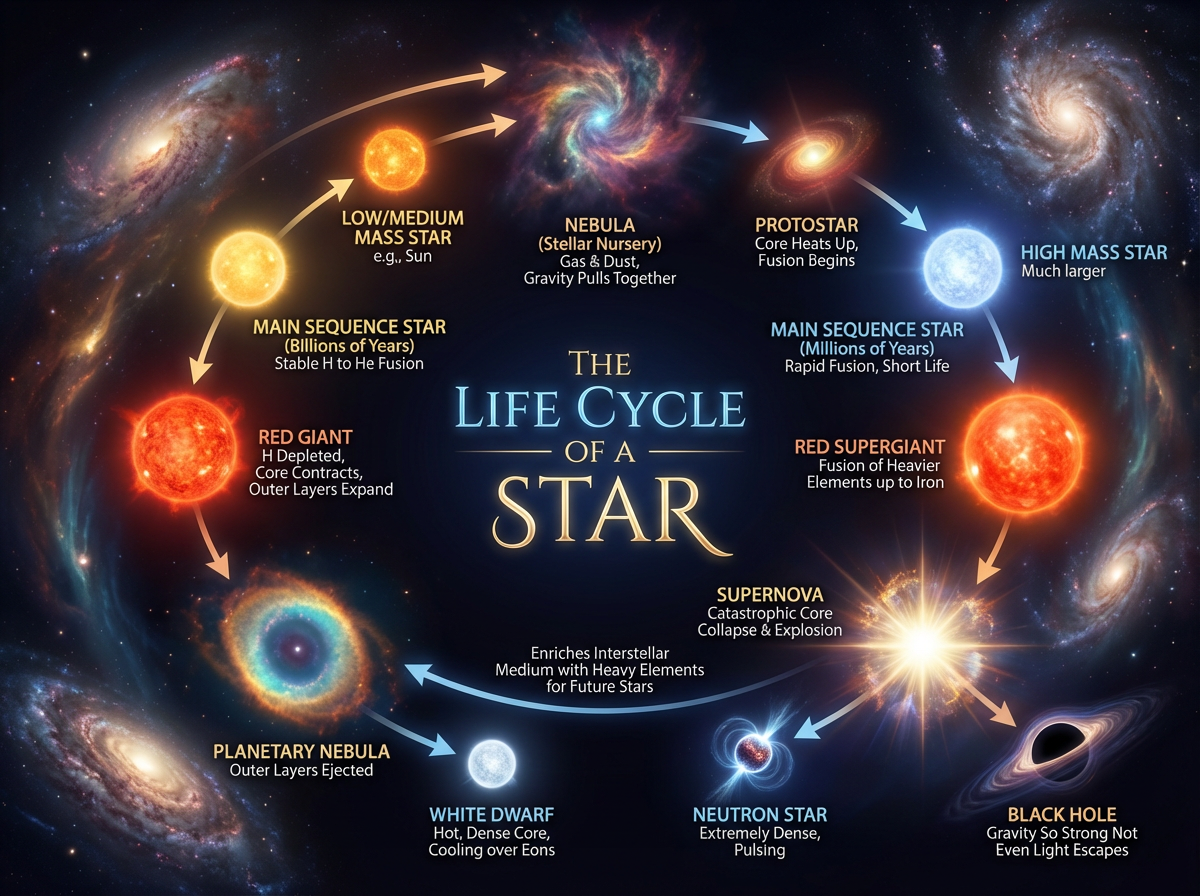
Infographic with complex text layout
Prompt
A scientific infographic for the life cycle of a star, dark navy background, clean educational poster style
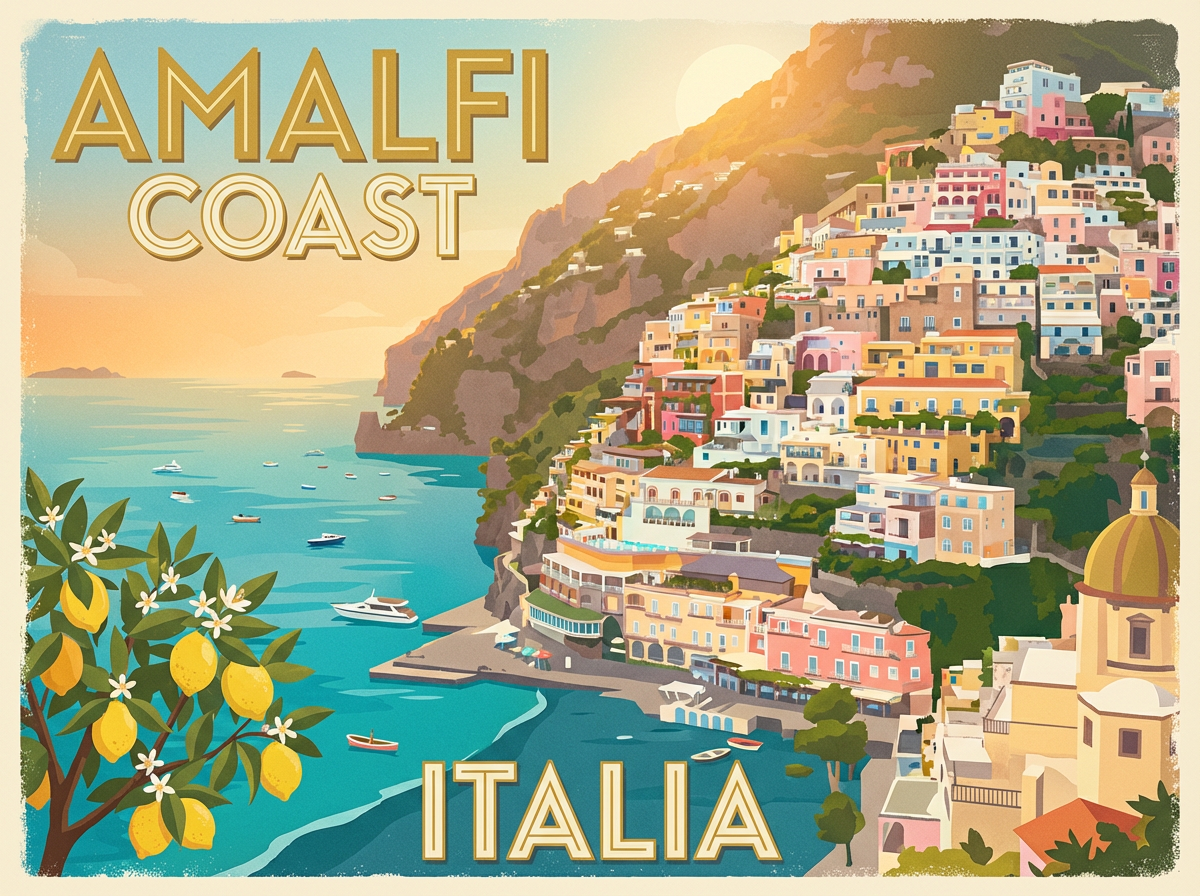
Illustrated poster with typography
Prompt
A vintage Italian travel poster for the Amalfi Coast. Pastel-colored cliffside houses cascading down to turquoise water, a lemon tree in the foreground. Bold art deco typography reading 'AMALFI COAST' at the top and 'ITALIA' at the bottom, warm golden sunlight, retro illustration style with flat color blocks and subtle grain texture
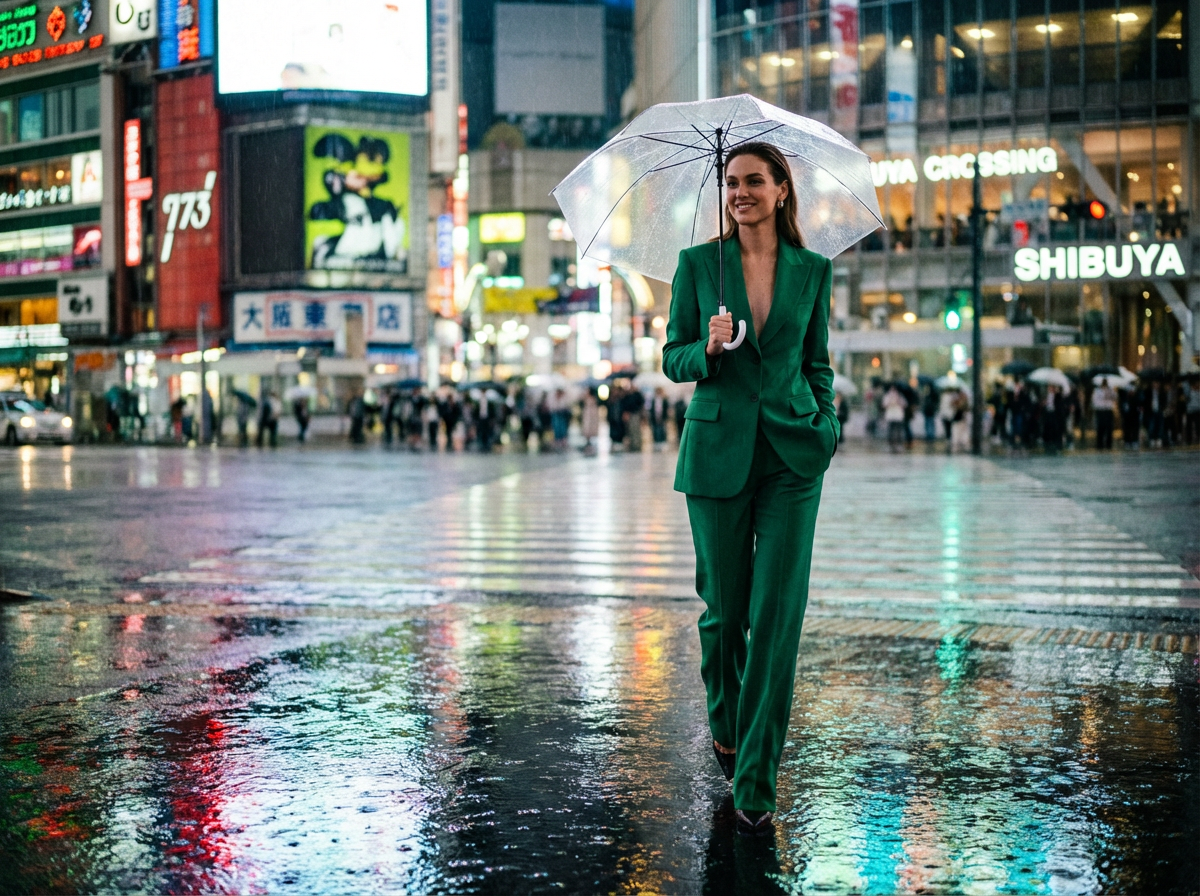
Cinematic fashion photography
Prompt
A fashion editorial photo of a woman in a tailored emerald green suit walking through a rain-soaked Tokyo street at night, neon signs reflecting in puddles around her, Shibuya crossing in the background slightly out of focus, shot on medium format film with rich contrast and cinematic color grading
Food photography with handwritten text
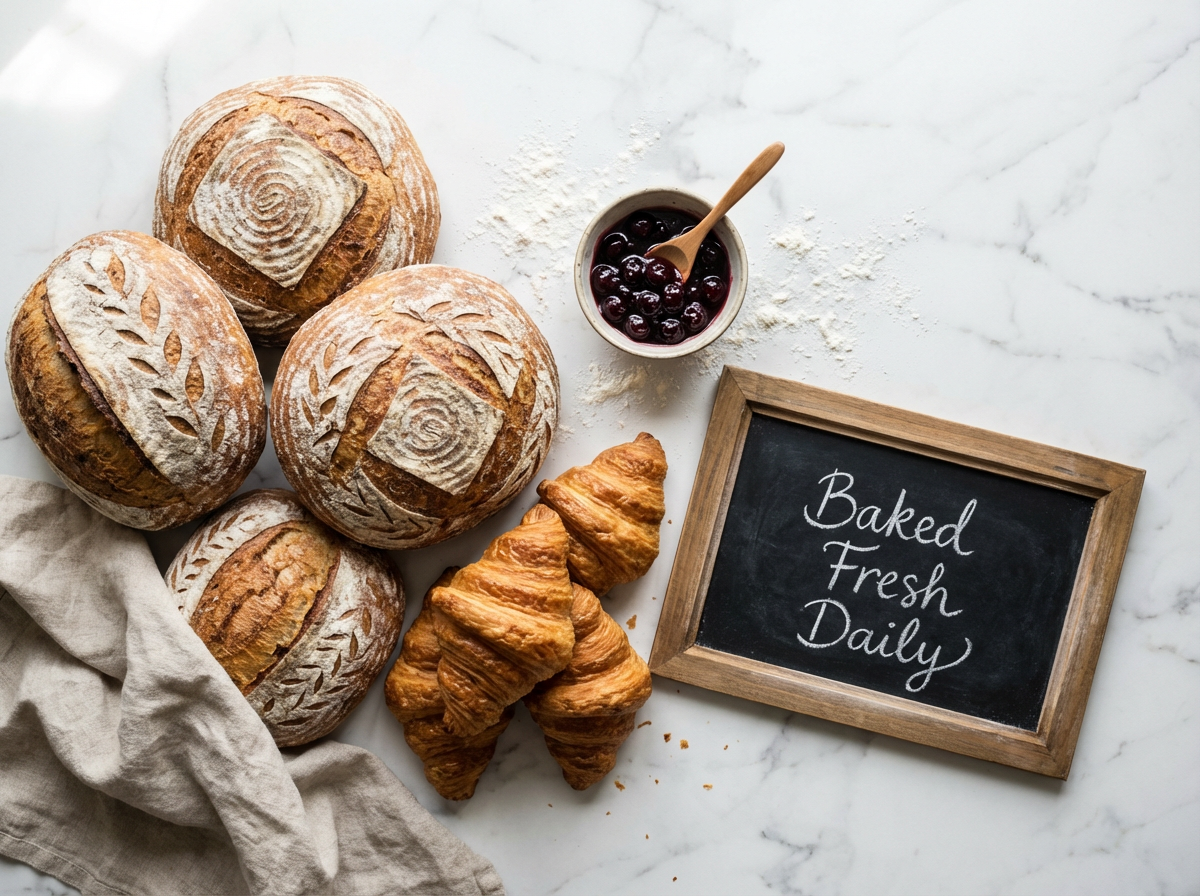
Prompt
A photorealistic overhead flat lay of a artisan bakery spread on a marble counter: sourdough loaves with scored patterns, croissants with visible flaky layers, a bowl of dark cherry jam, scattered flour, a linen cloth, and a handwritten chalkboard sign reading 'Baked Fresh Daily' in cursive. Soft diffused natural light from the left, food photography style
Nano Banana Pro vs Nano Banana 2.1
Nano Banana 2.1 is newer in Google's Flash line with mask editing and token billing on many platforms. Nano Banana Pro remains the choice when typography and multi-step reasoning dominate. For a deep dive on Google's latest Flash model, visit Nano Banana 2.1.
Ready to try it?
Get it on Android and start creating in seconds.
Edit loops without restarting
Conversational edits shine when you change one variable: “keep layout, swap dusk for noon,” “same pose, replace jacket with raincoat.”
When a host supports multiple references, bring brand color swatches or logo plates as images instead of describing hex codes in prose alone.
Cross-check mask-friendly edits on Nano Banana 2.1 if you need region-locked changes at Flash-class latency.
Using Pro-class prompts on UltraPix
UltraPix runs generation on Android with credits you can try before subscribing. Copy the showcase prompts above into text-to-image, then chain image-to-image when you need one-variable edits.
Start with our how to use Nano Banana Pro–style workflows article and the Nano Banana 2 guide for Flash-tier samples, then get the app.
Paste structured briefs from the blog, generate, then chain background removal or upscale without leaving the app gallery.
Ready to try it?
Get it on Android and start creating in seconds.
Where Pro runs in the ecosystem
Google surfaces Pro-class image generation inside Gemini consumer apps, Search AI Mode, and developer APIs. Third-party creative platforms re-host the same weights with their own credit meters.
Token pricing on APIs often scales with output resolution and reference count more than prompt length, budget 4K campaign finals separately from chatty exploration at 1K.
When a host exposes thinking levels, raise them for dense layouts with small type; keep medium for portrait and product work to save latency.
Always verify model IDs in the dashboard you pay, marketing names change faster than blog posts.
Pro prompt checklist
Quote display type and label copy exactly.
Specify thinking level when small type fails.
Reuse character references across a series before changing wardrobe.
One edit instruction per pass for conversational tools.
Compare 1K drafts before spending 4K credits.
Paste winners into UltraPix on Android for cutout and upscale follow-ups.
FAQ
- Is Nano Banana Pro the same as Gemini image generation?
- Nano Banana Pro is built on Google's Gemini 3 Pro Image stack for still generation and editing, marketed for reasoning-first composition and text accuracy.
- What resolutions does Nano Banana Pro support?
- 1K, 2K, and 4K are commonly documented; 4K typically costs more compute on paid hosts.
- Does UltraPix run Nano Banana Pro itself?
- UltraPix exposes whichever image models are configured for your account on Android. Use Pro-class prompt structure in the app even when the underlying host model name differs.
Get UltraPix
Download the app on Google Play to try text-to-image, background removal, and upscale on your phone.